
ED Is Not A Bedroom Problem. It's The First Sign Your Artery Lining Is Failing.
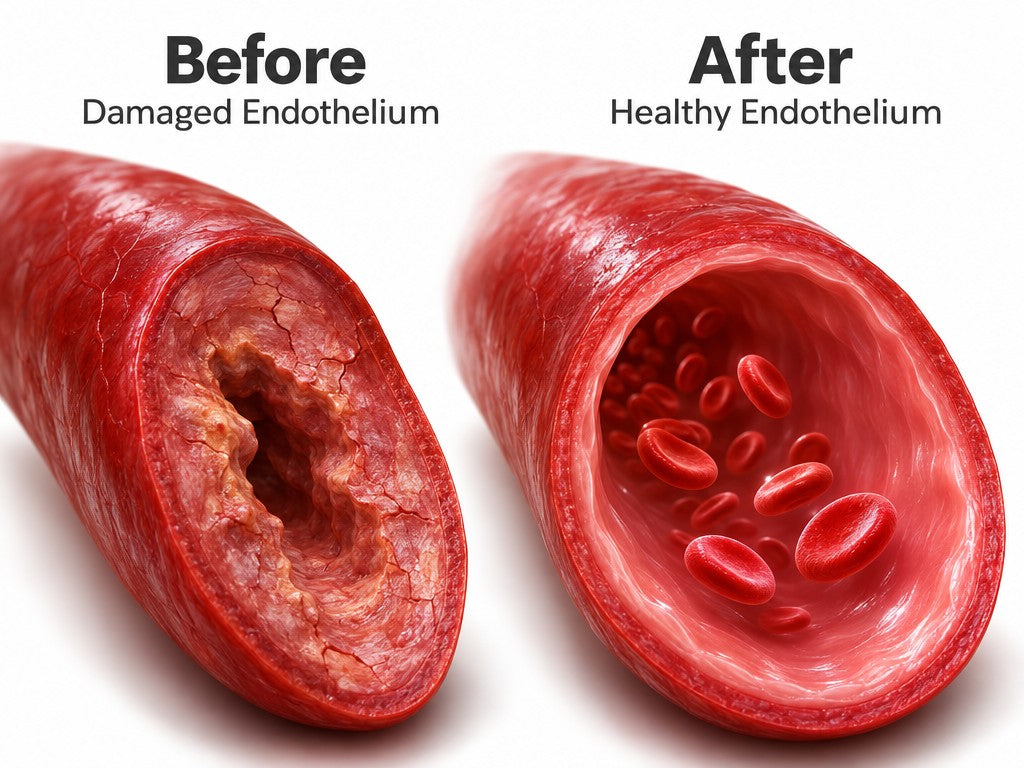
Every artery in your body has a lining one cell thick. It's called the endothelium. Healthy, it makes nitric oxide all day, and nitric oxide tells the vessel to relax and stay open. Years of high blood sugar burn that lining. The burned cells stop making nitric oxide. Then they scar. The scar thickens, the vessel narrows, and less blood gets through. And the smallest vessels in your body shut down first, which is why the first thing you lost was the morning erections. The penis is the check engine light. The same lining is failing, a few steps behind, in the arteries around your heart, in the vessels feeding your kidneys, and in the back of your eyes. And here's what nobody tells a diabetic man: getting your sugar down stops new burning. It does not heal the sugar damage that's already on your artery lining. The damage done at an A1C of 8 is still there at 6.3. Your number got better. Your lining did not.
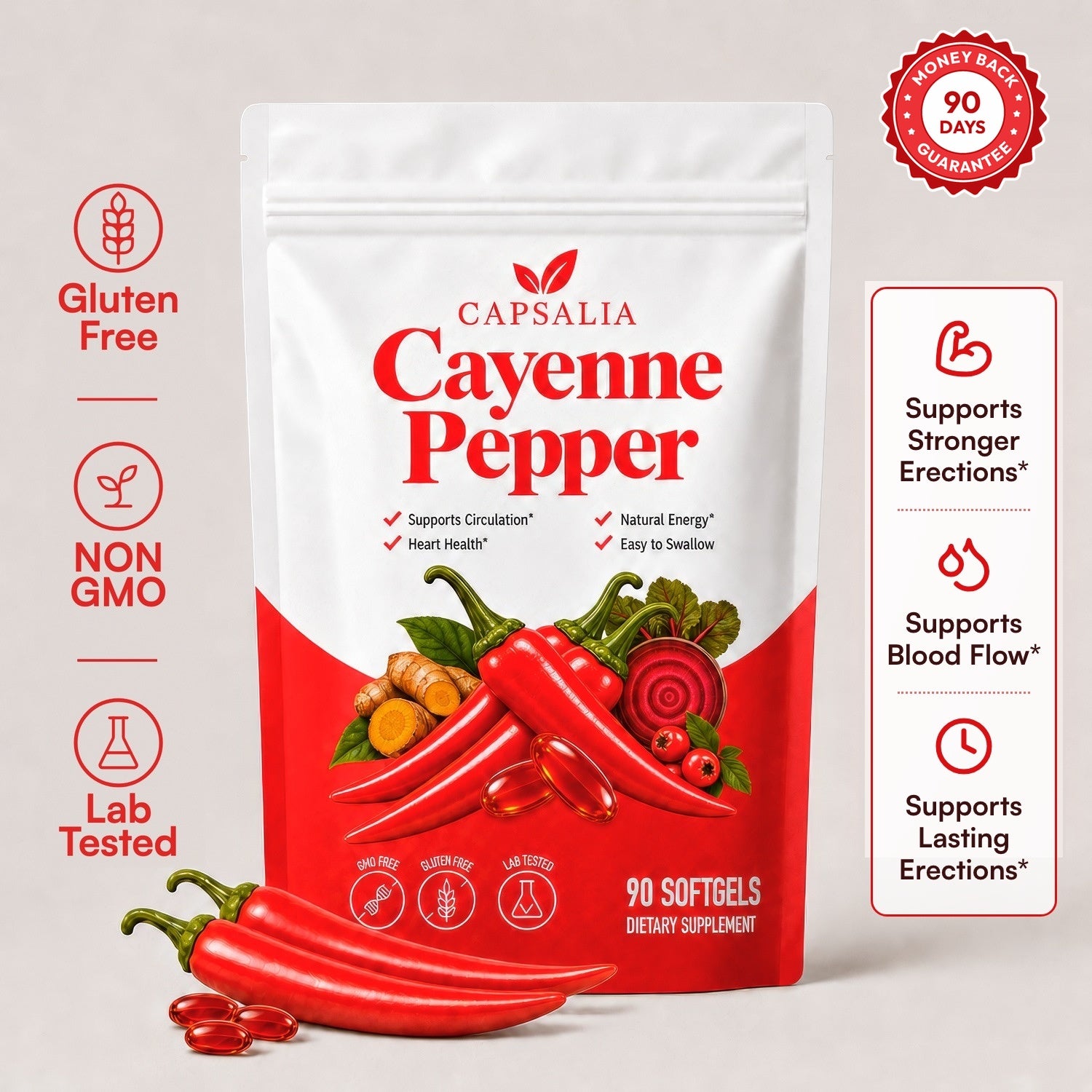
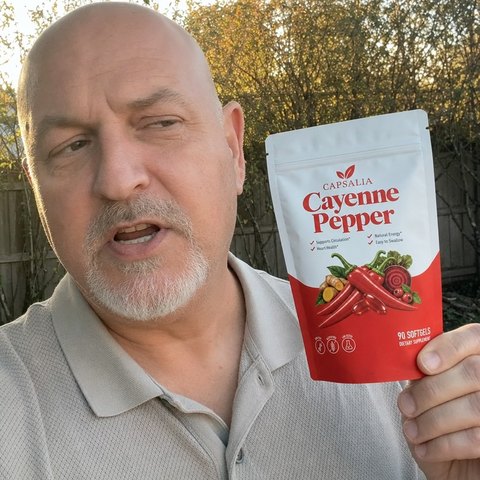
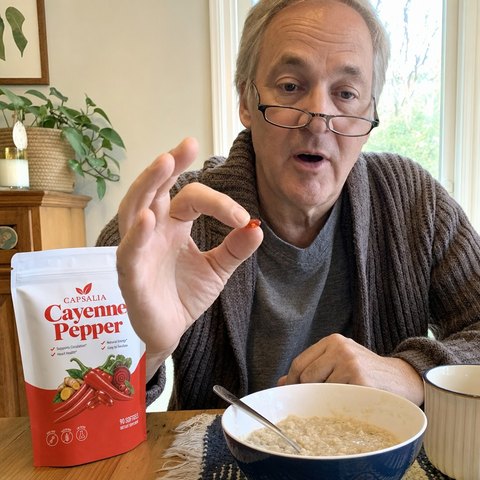
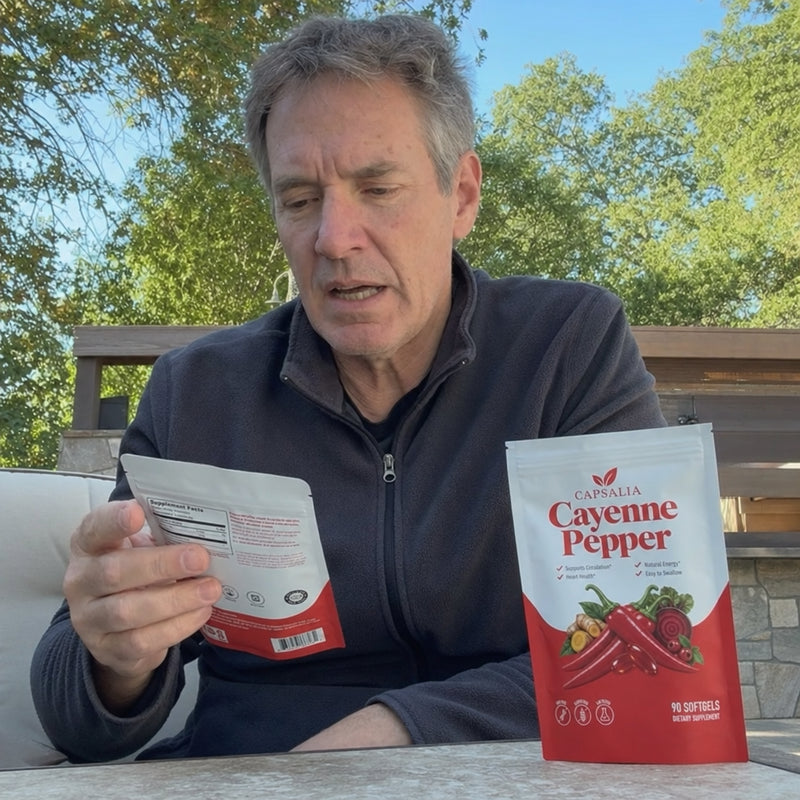
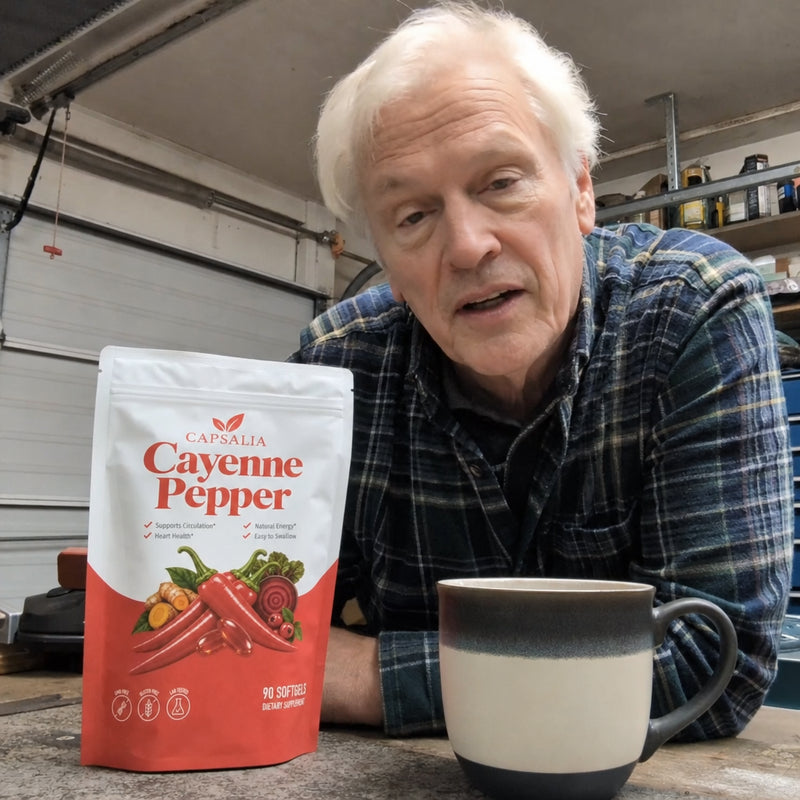
Capsalia's capsaicin switches on a receptor called TRPV1 that sits on the surface of the endothelial cells themselves. TRPV1 starts a repair sequence in the lining: the sugar-damaged cells heal, and once they've healed they start making nitric oxide on their own again. That matters because nitric oxide is what tells the artery to relax and open, so blood moves through freely. Not a drug forcing a vessel open for four hours. Your own artery lining, making its own nitric oxide, in the vessels around your heart and the ones that feed an erection, because it's the same lining. One repair, two places. This is not wellness hype. Peer-reviewed studies in Cell Metabolism, Cardiovascular Diabetology and Atherosclerosis show the same thing: capsaicin from cayenne switches on TRPV1 in the artery lining, the damaged cells heal, and the healed lining starts making its own nitric oxide again. That is why urologists are recommending it.